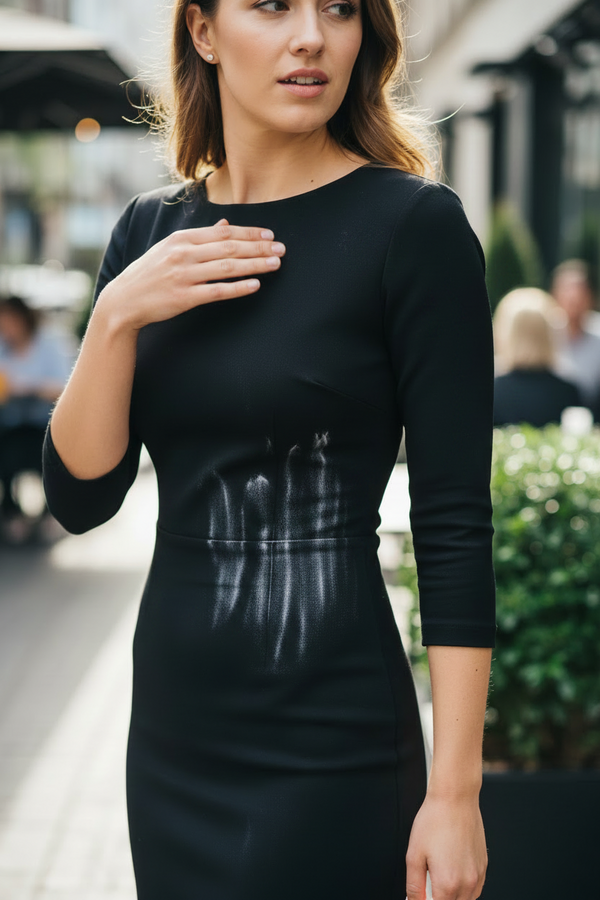

Sweating in the groin and buttock crease: an uncomfortable taboo discussed
Some topics are rarely discussed aloud, even though they are surprisingly common. Sweating in the groin and buttock crease is a good example of this: a physical discomfort that many people experience, but about which almost no one dares to ask questions, not even their GP or pharmacist. This makes it even more annoying, because there is little reliable, accessible information to be found. This blog discusses the topic in a mature, respectful way: what happens, why, and what you can do about it.
 By Zero·One Redactie
13 July 2026
3 min. reading time
By Zero·One Redactie
13 July 2026
3 min. reading time

Why is this area so prone to sweating?
The groin and buttock area is one of the warmest, most enclosed parts of your body. The combination of clothing, skin folds rubbing against each other, and limited air circulation creates an environment where moisture evaporates less easily than on more exposed body parts like your arms or legs.
In addition, this area, like your armpits, contains apocrine sweat glands that are extra sensitive to heat, friction, and emotional factors such as stress. The combination of warmth, poor ventilation, and sensitive glands makes this one of the areas where sweat is most quickly noticed and experienced as most bothersome.
What makes it extra uncomfortable?
Besides the physical discomfort, irritation, clamminess, and potential odor, there is also a strong emotional component here: shame. Because it concerns an intimate body part, many people are reluctant to even discuss it with a doctor, let alone with friends or partners.
That's a shame, because the physical aspect of the problem is just as treatable as sweating on any other body part. The taboo lies mainly in talking about it, not in the condition itself.
Practical steps that help
Choose breathable underwear
Cotton underwear allows air and moisture to pass through better than synthetic materials. Especially on warm days or during physical activity, avoid tight-fitting synthetic underwear.
Wash and dry the area thoroughly
A daily wash with water and a mild, unscented soap, followed by thorough drying, significantly reduces the chance of irritation and odor. Moisture left in skin folds is a direct invitation for bacterial growth and irritation.
Consider a talc-free powder
An absorbent powder can absorb excess moisture throughout the day and reduce friction, which in turn prevents irritation.
One wipe. Up to five days dry.
Discrete anti-perspirant wipes, individually wrapped in a plastic-free sachet. Apply in the evening, ready for the next day.

Avoid tight, non-breathable clothing
Especially during physical activity or warm weather, tight clothing made of synthetic fabrics can exacerbate the problem by trapping moisture against the skin.
Consider a targeted approach for structural complaints
For those who suffer structurally, not just on warm days, an antiperspirant with aluminum salts can also be applied to this area, provided the skin is intact and not irritated.
Important: first test on a small patch of skin and wait 24 hours to check for irritation, before applying it more widely. Never apply the product to broken or irritated skin, and avoid contact with mucous membranes.
The Zero·One antiperspirant wipes are suitable for use in this area, provided this precaution is followed. Gently dab onto clean, dry skin in the evening, and wash off the next morning.
When is it more than just sweating?
Persistent irritation, redness, itching, or an unpleasant odor that doesn't improve with good hygiene can indicate a fungal infection or other skin condition that requires a different approach than just sweat control. In that case, talking to a doctor is the right next step. This is nothing to be ashamed of: doctors regularly hear about these types of complaints and can help quickly and effectively.
Why talking about this topic helps
The fact that this topic is so rarely discussed does not mean it is rare. Sweating in the groin and buttocks is a very logical physiological consequence of heat, skin folds, and limited ventilation, and affects many more people than the number of open conversations about it suggests. There is nothing abnormal about it, and the solutions are just as practical and accessible as for any other body part.
Frequently asked questions
Is sweating in the groin and buttocks normal? Yes, this area is warm, moist, and has limited ventilation, which naturally makes it more prone to sweating than more exposed body parts.
Can I safely use an antiperspirant in this area? Yes, provided you first test on a small patch of skin, the skin is intact and not irritated, and you avoid contact with mucous membranes.
What is the difference between sweating and a fungal infection in this area? Sweating alone gives a clammy feeling and possible odor. A fungal infection is often accompanied by persistent itching, redness, or flaky skin, and requires a different treatment, such as an antifungal cream from the pharmacy or doctor.
Why do I feel uncomfortable discussing this with my doctor? This is a common feeling with intimate topics, but doctors regularly hear about these types of complaints and can handle them professionally and without judgment.
Does powder really help with sweating in this area? Powder absorbs moisture and reduces friction, which improves comfort and helps prevent irritation, but it does not reduce the underlying sweat production as an antiperspirant does.

Stay dry. And in the loop.
Practical tips on sweat and skin, plus an occasional offer. No spam, you can unsubscribe at any time.